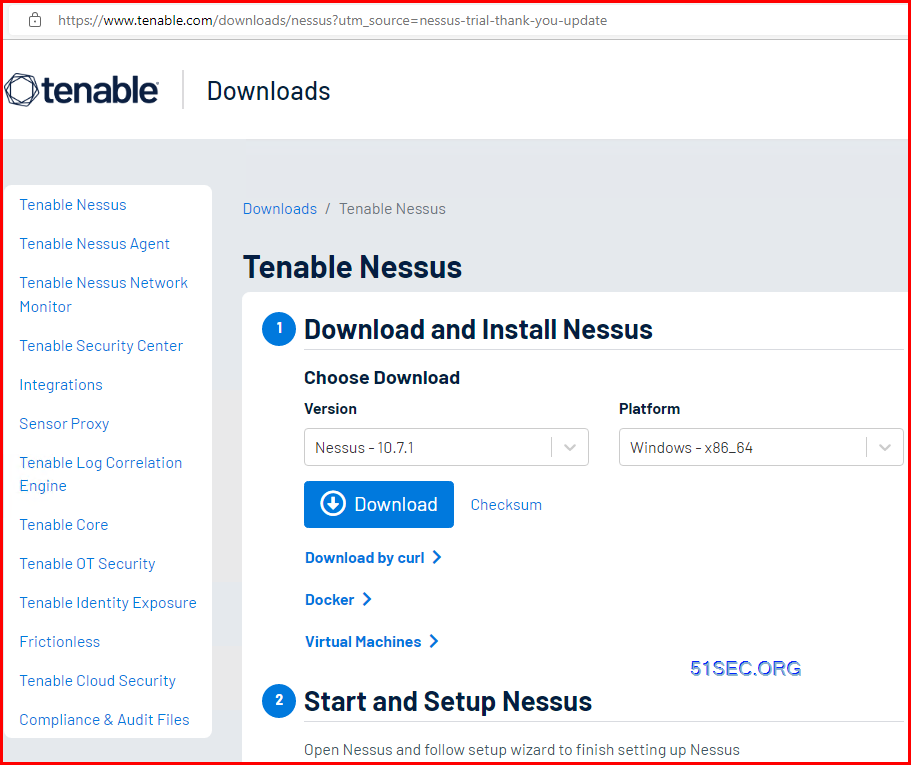
As nessus software free download takes center stage, this opening passage beckons readers into a world crafted with good knowledge, ensuring a reading experience that is both absorbing and distinctly original. Nessus, a leading vulnerability scanning tool, plays a crucial role in cybersecurity by identifying potential threats and weaknesses in network systems. With its free download option, users can easily access top-notch security features that can help protect their digital environments, making it a go-to resource for both professionals and enthusiasts alike.
In today’s fast-paced world, the importance of effective communication cannot be overstated. Whether in a professional setting or personal interactions, the way we convey our thoughts and ideas can significantly impact our relationships and outcomes. With the rise of digital communication platforms, understanding the nuances of language and the art of conversation has become more crucial than ever. First and foremost, let’s address the foundation of effective communication: clarity.
Clarity in communication means expressing your thoughts in a way that is easily understood by others. This involves choosing the right words, structuring sentences logically, and avoiding jargon or overly complex language that may confuse the listener or reader. In professional settings, clarity is vital, as misunderstandings can lead to mistakes, decreased productivity, and even conflict. Additionally, the tone of your communication plays a significant role in how your message is perceived.
A casual tone can often make interactions feel more approachable and friendly, while a formal tone may convey authority and professionalism. Finding the right balance between these two can foster better relationships. For instance, when addressing a colleague, a friendly yet respectful tone can encourage open discussions and collaboration, whereas an overly formal approach may create distance.Furthermore, active listening is a crucial component of effective communication.
It involves more than just hearing the words spoken; it requires engaging with the speaker, understanding their perspective, and responding thoughtfully. Active listening can help clarify misunderstandings and foster better connections with others. Techniques such as paraphrasing what the speaker has said or asking open-ended questions can demonstrate your engagement and encourage a more meaningful dialogue.Moreover, non-verbal communication is equally important.
Body language, facial expressions, and eye contact can all convey messages that words alone may not fully express. For example, maintaining eye contact during a conversation can show that you are attentive and engaged, while crossing your arms might signal defensiveness or disinterest. Being aware of your own body language, as well as that of others, can enhance your communication effectiveness.Now, let’s touch upon the role of empathy in communication.
Empathy allows you to connect with others on a deeper level by understanding their feelings and perspectives. When you communicate with empathy, you demonstrate that you value the other person’s experience, which can lead to more open and honest exchanges. This is especially important in conflict situations where emotions may run high. By acknowledging the other person’s feelings and showing a willingness to understand, you can diffuse tension and work towards a resolution.In today’s digital age, the medium through which we communicate has also evolved.
Text messages, emails, and social media have transformed the way we interact. While these platforms offer convenience, they also pose challenges. For instance, without vocal tones or facial expressions, written communication can easily be misinterpreted. Therefore, it is essential to be mindful of how your words may come across in digital formats. Using emojis, for instance, can help convey tone in text messages, but it’s crucial to know your audience and the context in which you are communicating.Another aspect to consider is cultural differences in communication styles.
What may be considered polite or appropriate in one culture can be perceived differently in another. When dealing with diverse teams or international clients, being aware of these differences can help prevent misunderstandings and foster a more inclusive environment. For example, some cultures place a high value on direct communication, while others may prefer a more indirect approach. Adapting your style to fit the cultural context can enhance your effectiveness as a communicator.Additionally, feedback is a vital part of the communication process.
Providing and receiving feedback helps to clarify expectations and improve performance. However, delivering feedback effectively requires tact and consideration. It’s important to focus on specific behaviors rather than making personal judgments. Using the “sandwich” approach—starting with positive feedback, followed by constructive criticism, and closing with more positive remarks—can make the process more palatable for the recipient.Finally, let’s not forget the importance of practice in becoming an effective communicator.
Like any skill, communication improves with practice. Engaging in conversations, participating in public speaking events, or even joining communication workshops can help build confidence and refine your skills. Additionally, seeking out opportunities for constructive criticism can provide valuable insights into areas for improvement.In conclusion, effective communication is a multifaceted skill that involves clarity, tone, active listening, non-verbal cues, empathy, awareness of digital communication, cultural sensitivity, and the ability to give and receive feedback.
By honing these skills, you can enhance your interactions and relationships, both personally and professionally. Remember, the goal of communication is not just to convey information, but to foster understanding and connection with others. So, take the time to reflect on your communication style, seek out opportunities for growth, and embrace the art of conversation. After all, effective communication is the key to building strong relationships and achieving success in any endeavor.
FAQ Compilation
What is Nessus software used for?
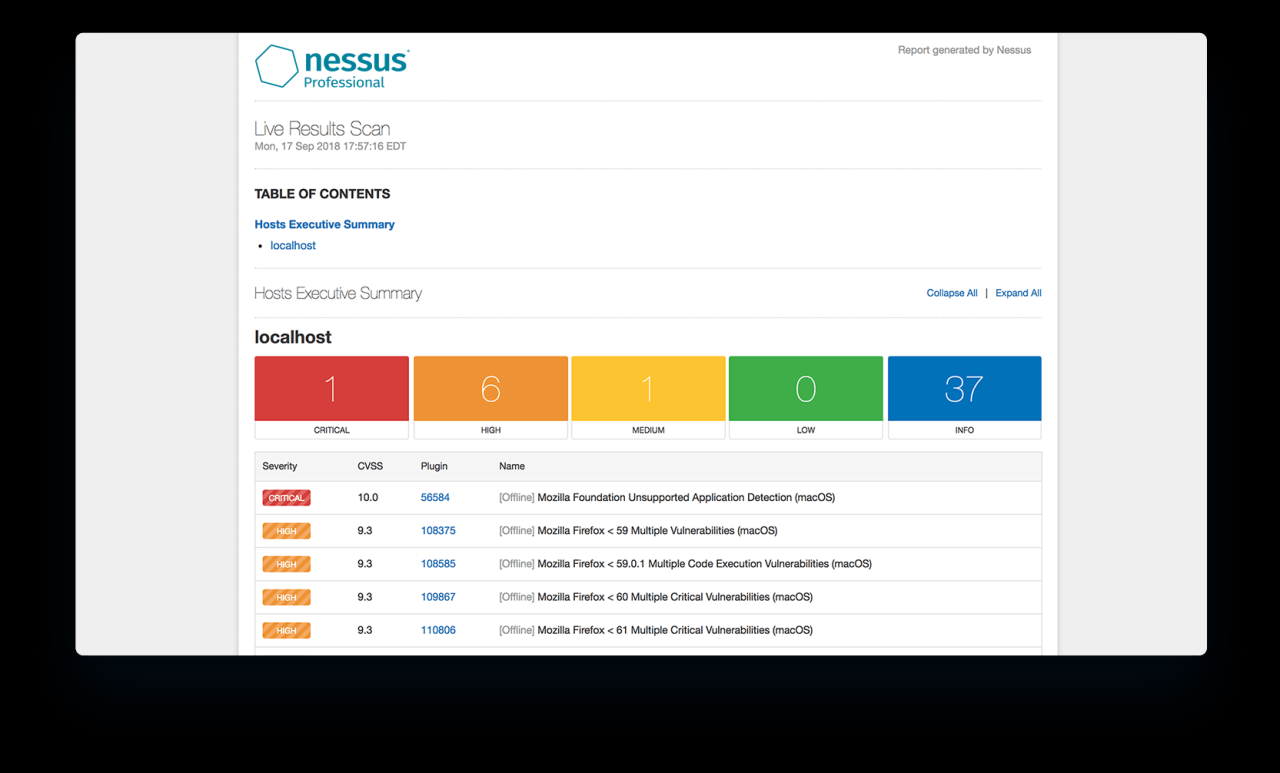
Nessus software is primarily used for vulnerability assessment and management to identify security weaknesses in systems and networks.
Is Nessus software really free?
Yes, Nessus offers a free version for personal use, allowing users to access its basic features for vulnerability scanning.
How does Nessus software differ from other tools?
Nessus is known for its comprehensive vulnerability database and robust reporting features, setting it apart from other scanning tools.
Can Nessus software be used by beginners?
Absolutely! Nessus is user-friendly, making it accessible for beginners while still offering advanced features for experienced users.
What platforms does Nessus software support?
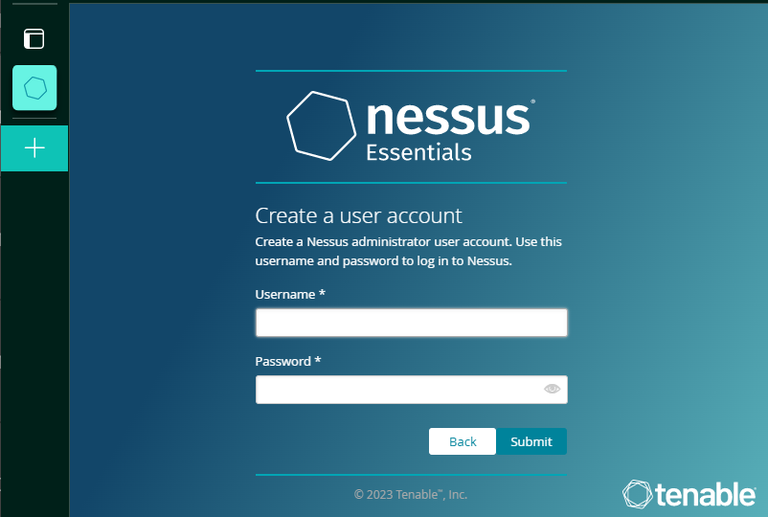
Nessus supports various platforms, including Windows, macOS, and Linux, allowing for versatile deployment in different environments.