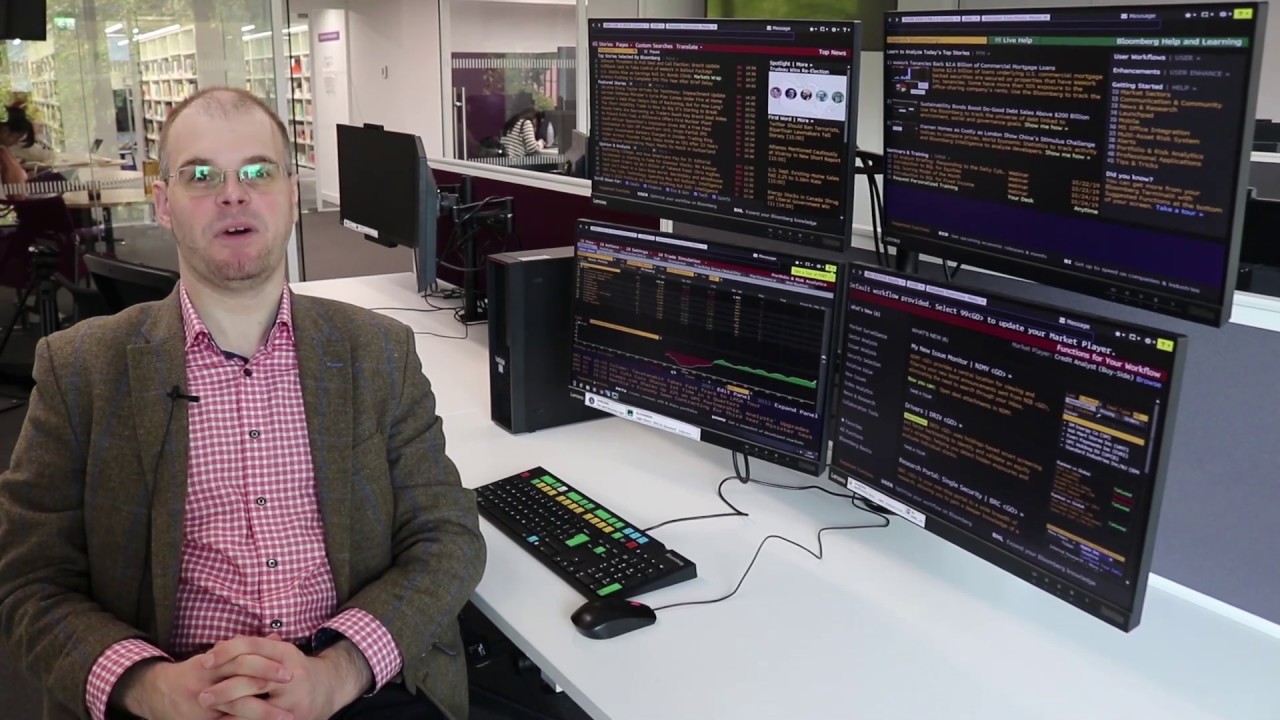
Exploring the bloomberg terminal software download brings us into the realm of cutting-edge financial tools that empower professionals to make informed decisions. With its comprehensive suite of functionalities, this software revolutionizes how users access market data, news, and analytics, making it an indispensable resource in the finance industry.
In today’s fast-paced market, having the right tools at your disposal is crucial, and the Bloomberg Terminal stands out for its user-friendly interface and robust features. Whether you’re a seasoned trader or just getting started, understanding how to efficiently download and utilize this software can significantly enhance your trading strategies and overall market insight.
Technology has profoundly shaped the way we live, work, and communicate. From the invention of the wheel to the rise of the internet, each technological advancement has contributed to the evolution of human civilization. In this article, we will explore the significant milestones in technology, examining how they influenced society and paved the way for the future.
1. The Dawn of Technology
Early Innovations
The journey of technology began thousands of years ago with basic tools crafted from stone and wood. The invention of the wheel around 3500 BC marked a pivotal moment in human history. This simple yet revolutionary innovation enabled more efficient transport, which facilitated trade and cultural exchange among early civilizations. As societies progressed, so did their technologies.
The discovery of fire allowed for better food preparation and warmth, leading to improved health and longer lifespans.
As civilizations flourished in places like Mesopotamia and the Indus Valley, more complex technologies emerged. The development of writing systems around 3200 BC in Sumer not only advanced communication but also laid the groundwork for record-keeping, law, and administration. These early innovations set the stage for future developments and the eventual rise of empires.
2. The Industrial Revolution
A Technological Awakening
Fast forward to the 18th century, and we encounter the Industrial Revolution—a period characterized by rapid industrial growth and technological innovation. The introduction of machinery revolutionized manufacturing processes, leading to increased productivity and the rise of factories. Steam engines, powered by coal, became a driving force behind transportation, enabling trains and ships to carry goods and people over long distances with unprecedented speed.
The Industrial Revolution also brought about significant social changes. Urbanization surged as people flocked to cities for factory jobs, leading to the rise of a working and middle class. However, this shift also resulted in challenges, such as poor working conditions and environmental degradation. These issues sparked early labor movements and calls for reform, setting the stage for the modern labor rights movement.
3. The Age of Electronics
A Leap Forward
The 20th century witnessed another remarkable leap in technology with the advent of electronics. The invention of the transistor in 1947 revolutionized the field of electronics, paving the way for smaller, more efficient devices. This innovation laid the groundwork for the development of computers, which would eventually transform every aspect of modern life.
The first computers were massive machines primarily used by governments and large corporations for calculations and data processing. However, as technology advanced, computers became smaller and more accessible to the general public. The introduction of personal computers in the 1970s and 1980s marked a turning point, giving individuals the power to perform complex tasks at their fingertips.
Alongside computers, the development of the internet in the late 20th century reshaped communication and information sharing. What began as a military project quickly evolved into a global network that connected millions of people, giving rise to the digital age. Email, social media, and e-commerce emerged, transforming the way we interact and conduct business.
4. The Rise of Mobile Technology
The 21st century has brought about the rise of mobile technology, with smartphones becoming ubiquitous in our daily lives. These powerful devices have significantly changed how we communicate, access information, and entertain ourselves. With the internet in our pockets, we can connect with anyone, anywhere, at any time.
Mobile technology has also spurred the development of various applications that enhance productivity, creativity, and connectivity. From navigation apps that help us find the best routes to social media platforms that allow us to share our lives, smartphones have revolutionized the way we experience the world around us.
5. Emerging Technologies

The Future Ahead
As we look to the future, several emerging technologies promise to further transform our lives. Artificial intelligence (AI) is at the forefront of this technological evolution. From virtual assistants like Siri and Alexa to advanced machine learning algorithms that analyze vast amounts of data, AI is changing industries from healthcare to finance.
Another exciting frontier is the development of renewable energy technologies. As concerns about climate change grow, innovations in solar, wind, and battery storage are becoming increasingly important. These advancements not only aim to reduce our dependence on fossil fuels but also offer new economic opportunities in green technology sectors.
Additionally, the field of biotechnology is advancing rapidly, with breakthroughs in gene editing and personalized medicine. These innovations hold the potential to revolutionize healthcare, allowing for targeted treatments that can improve patient outcomes.
6. Conclusion
Embracing the Future of Technology
Technology has come a long way since the invention of the wheel, evolving through various stages that have shaped human history. Each technological advancement has brought about significant changes in society, influencing how we live, work, and interact with one another. As we stand on the brink of new innovations, it is crucial to embrace these changes with an open mind and a sense of responsibility, ensuring that technology serves as a force for good in our lives.
The future of technology is bright, and its potential is limited only by our imagination.
Popular Questions
What is the Bloomberg Terminal?
The Bloomberg Terminal is a professional software platform that provides real-time financial data, news, and analytics to finance professionals.
How can I download the Bloomberg Terminal?
You can download the Bloomberg Terminal by contacting Bloomberg directly or through your institution if they have a subscription.

Is there a trial version of the Bloomberg Terminal?
Bloomberg does not typically offer a free trial version, but you may inquire about demo access through their sales team.
What are the system requirements for the Bloomberg Terminal?
The Bloomberg Terminal requires a compatible operating system, sufficient RAM, and a stable internet connection; detailed specs are available on Bloomberg’s website.
Can I use the Bloomberg Terminal on multiple devices?
The Bloomberg Terminal can be accessed on multiple devices, but you must adhere to your subscription’s licensing terms.