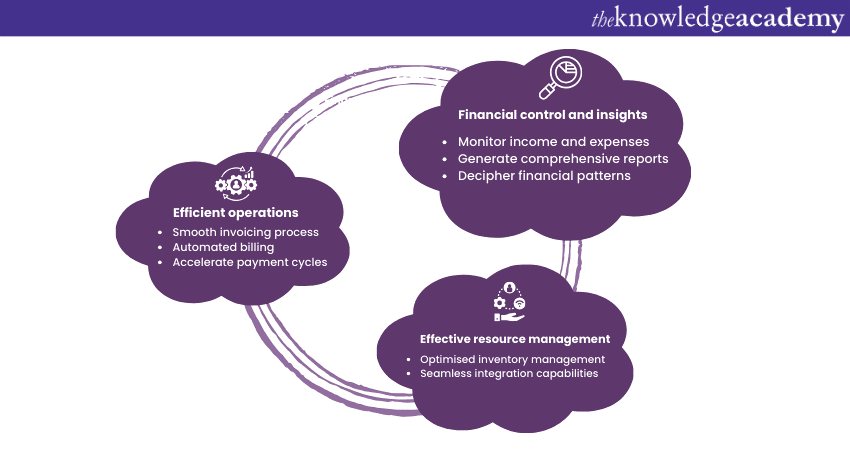
How much is sage accounting software is a question that many small business owners and financial professionals have in mind when considering their accounting needs. With its reputation for robust features and reliability, Sage has become a go-to choice for those looking to streamline their accounting processes. What lies behind the cost of this software? In this overview, we’ll dive into the pricing structure, features that justify the investment, and how it compares to other options in the market.
Understanding the value that Sage accounting software brings is crucial for making an informed decision. From initial setup costs to ongoing subscription fees, the financial commitment can vary based on the features and services desired. By examining these elements, we can clarify what you can expect in terms of cost and capabilities.
In the digital age, where information travels faster than ever, the importance of effective communication cannot be overstated. It’s not just about the words we use but also about how we convey our messages. Whether you’re drafting an email, writing a report, or crafting a social media post, the tone, clarity, and engagement of your writing play crucial roles in how your message is received.
This article explores the nuances of communication, the significance of tone, and practical tips to enhance your writing skills. Communication is inherently a two-way street. It involves not only the expression of thoughts but also the understanding of others. In professional settings, miscommunication can lead to misunderstandings, conflicts, and missed opportunities. Therefore, honing one’s writing skills is essential for fostering better relationships, both personally and professionally.One of the first things to consider when writing is your audience.
Understanding who you are communicating with shapes your choice of language, tone, and even the structure of your content. For example, when writing to colleagues or superiors, a more formal tone may be appropriate. On the other hand, when addressing friends or a casual audience, a relaxed and conversational style can be more effective. Tailoring your message ensures that it resonates with the reader and enhances the likelihood of engagement.Moreover, clarity is paramount in any form of communication.
The goal of your writing should be to convey your ideas in a straightforward manner. Avoid using jargon or complex language that may confuse your reader. Instead, opt for simplicity and directness. Short sentences and paragraphs often make for easier reading and comprehension. This approach not only keeps the reader’s attention but also helps to ensure your key points are understood.Another critical aspect of effective communication is the use of tone.
Tone can dramatically affect how your message is perceived. A friendly and warm tone can foster a sense of connection, while a cold and distant tone may create barriers. It’s essential to strike the right balance, especially in professional communications where you want to come across as approachable yet authoritative. Using inclusive language, asking questions, and showing appreciation can help create a positive tone.Engagement is also a vital element in effective writing.
In our fast-paced world, capturing and maintaining the reader’s attention is a challenge. To enhance engagement, consider incorporating storytelling techniques. People are naturally drawn to stories; they make information relatable and memorable. You can use anecdotes or real-life examples to illustrate your points and create a narrative that resonates with your audience.Visual elements play a significant role in communication as well.

When applicable, use bullet points, headings, and images to break up text and highlight important information. This not only makes your content more visually appealing but also allows readers to scan quickly and absorb key messages. In a world where attention spans are dwindling, making your content easily digestible is essential.Additionally, the importance of proofreading cannot be overlooked. Spelling and grammatical errors can undermine your credibility and distract from your message.
Always take the time to review your work before hitting send or publish. Reading your content aloud can help you catch errors and improve the flow of your writing. If possible, consider having a colleague review your work; a fresh pair of eyes can offer valuable insights.In today’s digital environment, the rise of social media has transformed how we communicate.

The informal nature of social platforms can blur the lines of professionalism, leading to mixed messages. While it’s important to maintain authenticity on social media, remember that your online presence still reflects your personal and professional brand. Crafting thoughtful posts, engaging with your audience, and responding to comments can enhance your reputation and foster a community around your brand.Another important aspect is the integration of feedback.
In any communication endeavor, feedback serves as a valuable tool for improvement. Encourage your readers or colleagues to provide input on your writing. Constructive criticism can highlight areas for growth that you may not have noticed. This process not only enhances your skills but also demonstrates your willingness to learn and adapt, fostering trust and respect within your professional network.Moreover, fostering a habit of reading can significantly improve your writing skills.
Exposure to various writing styles, techniques, and vocabularies can inspire and inform your approach. Whether it’s books, articles, or blogs, reading widely broadens your understanding of language and enhances your ability to express ideas effectively.As we delve deeper into the intricacies of communication, it’s crucial to recognize the role of empathy. Understanding the emotions and perspectives of your audience can greatly influence how you frame your messages.
Empathy allows you to connect on a human level, fostering trust and rapport. When writing, consider how your words may impact the feelings and thoughts of your readers. Acknowledging their experiences can lead to more empathetic communication and a stronger connection.In conclusion, effective communication is an essential skill that transcends professional boundaries. By understanding your audience, maintaining clarity, adjusting your tone, and engaging your readers, you can enhance your writing and foster meaningful connections.
Remember to embrace feedback, continually improve through reading, and, most importantly, infuse empathy into your communication. With these strategies, you can ensure that your messages are not only heard but also resonate deeply with your audience, paving the way for successful interactions, collaborations, and relationships in all areas of life.
Questions and Answers
What is the starting price of Sage accounting software?
The starting price of Sage accounting software typically ranges from $10 to $25 per month, depending on the specific plan and features selected.
Are there any hidden fees associated with Sage accounting software?
Generally, there are no hidden fees; however, additional costs may apply for add-ons or premium features beyond the basic package.
Can I try Sage accounting software for free?
Yes, Sage often offers a free trial period, allowing potential users to explore its features before committing to a subscription.
Is Sage accounting software suitable for freelancers?

Absolutely! Sage offers solutions that cater to freelancers and small business owners, providing essential tools for invoicing and expense tracking.
How frequently does Sage update its software?
Sage typically releases updates regularly, ensuring users have access to the latest features and improvements.