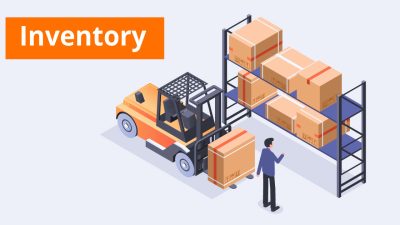
Sales order management software is revolutionizing the way businesses handle customer orders. In an increasingly digital marketplace, this software not only simplifies the order processing but also enhances customer satisfaction through efficient service delivery. With features designed to track orders from inception to completion, it empowers companies to manage their sales operations seamlessly.
This software serves as a crucial tool for organizations aiming to improve their operational efficiency and reduce errors in the order fulfillment process. By automating various tasks, it allows businesses to focus on growth while ensuring that customers receive their orders promptly and accurately.
In today’s rapidly evolving world, technology has become an inseparable part of our daily lives. From the moment we wake up to the sound of alarm clocks on our smartphones to the moment we drift off to sleep after binge-watching a series on streaming platforms, technology is intertwined with everything we do. This article aims to explore the significant impacts of modern technology on society, highlighting both the positive and negative aspects.
The Positive Effects of Technology
One of the most notable advantages of technology is the way it has transformed communication. Gone are the days of relying solely on handwritten letters or landline telephones. Nowadays, we can connect with anyone around the globe instantaneously through messaging apps, social media, and video calls. This increased connectivity has not only made personal relationships easier but has also facilitated professional collaborations across borders.
Moreover, technology has revolutionized access to information. With just a few clicks, we can access a wealth of knowledge that was previously only available in libraries or through expensive subscriptions. Online courses, webinars, and educational platforms have democratized learning, allowing individuals from various backgrounds to improve their skills and knowledge without the constraints of traditional education systems.
Additionally, advancements in healthcare technology have led to improved patient outcomes and increased life expectancies. From telehealth services that allow patients to consult with doctors remotely to innovative surgical techniques that employ robotic assistance, the healthcare industry has undergone a seismic shift. Wearable health devices, such as fitness trackers and smartwatches, empower individuals to monitor their health in real-time, promoting a more proactive approach to wellness.
The Drawbacks of Technology
Despite these numerous advantages, the pervasive nature of technology also brings about several concerns. One prominent issue is the decline of face-to-face interactions. As people increasingly rely on digital communication, many are finding it challenging to engage in meaningful conversations. This shift can lead to feelings of isolation and loneliness, particularly among younger generations who may prioritize online connections over in-person relationships.
Another significant downside is the impact of technology on mental health. The constant barrage of information and the pressure to maintain a curated online presence can contribute to anxiety and depression. Social media platforms, in particular, often foster unrealistic comparisons and a fear of missing out (FOMO), which can take a toll on self-esteem and overall mental well-being.
Furthermore, technology has raised important ethical considerations regarding privacy and data security. With the rise of big data and surveillance technologies, individuals are often unaware of how their personal information is collected, stored, and used. High-profile data breaches and scandals involving tech companies have highlighted the need for more robust regulations to protect consumers’ privacy rights.
The Work Environment Transformation
In the realm of employment, technology has drastically altered the workplace landscape. Automation and artificial intelligence (AI) have streamlined many manual tasks, leading to increased efficiency and productivity. However, this shift has also sparked fears of job displacement, as machines and software replace traditional roles. While some jobs will inevitably become obsolete, new opportunities will emerge, requiring workers to adapt and acquire new skills.
Remote work, accelerated by the COVID-19 pandemic, is another significant change in the workplace. With the help of collaboration tools and cloud computing, many employees can now work from anywhere, leading to a better work-life balance for some. However, this can also blur the boundaries between personal and professional life, resulting in burnout and increased stress levels.
Technology and the Environment
As we navigate the effects of technology on society, it is crucial to consider its environmental impact. The production and disposal of electronic devices contribute to e-waste, which poses significant challenges for waste management and pollution. However, technology also offers potential solutions for environmental issues. Innovations in renewable energy, smart grids, and eco-friendly materials can help mitigate climate change and promote sustainability.
The Future of Technology and Society
Looking ahead, the relationship between technology and society will continue to evolve. Emerging technologies such as artificial intelligence, blockchain, and the Internet of Things (IoT) have the potential to reshape industries and redefine how we interact with the world. As these innovations develop, it is essential for policymakers, businesses, and individuals to engage in open discussions about ethical considerations, regulations, and the implications for our society.
Ultimately, the key to harnessing the benefits of technology while minimizing its drawbacks lies in our ability to strike a balance. By fostering a culture of responsible technology use, encouraging face-to-face interactions, prioritizing mental health, and advocating for ethical practices, we can create a future where technology serves as a tool for positive change rather than a source of division.

Conclusion
In conclusion, technology is a double-edged sword that has significantly influenced contemporary society. While it offers unparalleled opportunities for connection, learning, and advancement, it also presents challenges that we must address head-on. By remaining aware of both the benefits and drawbacks, we can navigate this technological landscape with intention and purpose, ensuring a more equitable and sustainable future for all.
Question Bank
What is sales order management software?
Sales order management software is a tool that helps businesses automate and streamline the process of receiving, managing, and fulfilling customer orders.
How does sales order management software improve efficiency?

It automates repetitive tasks, reduces manual errors, and provides real-time tracking, which collectively speeds up the order fulfillment process.
Can sales order management software integrate with other systems?
Yes, many sales order management solutions can integrate with inventory management, CRM, and accounting software for a cohesive business operation.
Is training required for using sales order management software?
While many software solutions are user-friendly, training can enhance user proficiency and help maximize the software’s capabilities.

What are the cost implications of implementing sales order management software?
Costs can vary widely based on the features offered and the scale of the business, but many providers offer subscription-based pricing to accommodate different budgets.