Xero accounting software free download takes center stage, inviting users into a world of efficient financial management. With its user-friendly interface and robust functionality, Xero is designed for small businesses looking to streamline their accounting processes. It allows users to track expenses, manage invoices, and generate financial reports, all while providing real-time access to their financial data.
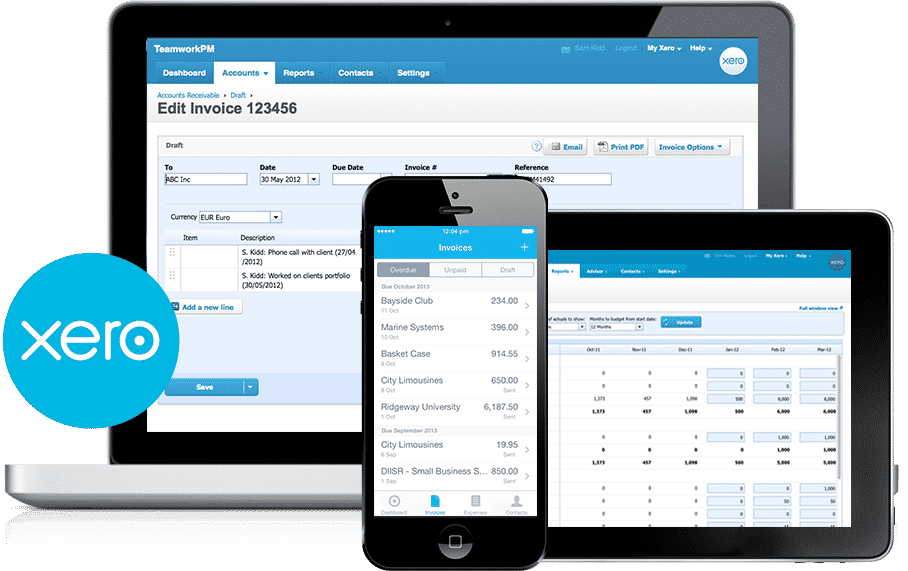
This software is not just a tool; it’s a companion that grows with your business. Xero’s cloud-based system ensures that you can access your accounts anytime, anywhere, making it an essential resource for entrepreneurs who are always on the go. Whether you’re new to accounting or a seasoned pro, Xero offers features that cater to all skill levels, making the transition to digital accounting seamless.
Effective communication is often heralded as one of the most critical skills in the workplace. It facilitates collaboration, enhances productivity, and fosters a positive work environment. In today’s fast-paced and diverse business landscape, the ability to communicate effectively is more vital than ever. This article will explore the key aspects of effective communication, its benefits, and practical strategies to improve communication skills in the workplace.
Understanding Effective Communication
Effective communication goes beyond merely exchanging information. It involves understanding the emotions and intentions behind the information being shared. It encompasses verbal, non-verbal, and written forms of communication. By mastering these aspects, employees can ensure that their messages are conveyed clearly and accurately.
Verbal Communication
Verbal communication refers to the spoken word, including face-to-face conversations, phone calls, and meetings. It is essential for expressing ideas, giving directions, and providing feedback. To enhance verbal communication skills, individuals should focus on clarity and conciseness. Speaking clearly, avoiding jargon, and tailoring the message to the audience can significantly improve the effectiveness of verbal communication.

Non-Verbal Communication
Non-verbal communication involves body language, facial expressions, and gestures. These cues often convey more than words themselves. For instance, maintaining eye contact can indicate confidence and engagement, while crossed arms may suggest defensiveness. Being aware of one’s own non-verbal signals, as well as those of others, can greatly enhance interpersonal interactions in the workplace.
Written Communication
Written communication encompasses emails, reports, memos, and other forms of documentation. Clarity is paramount in written communication to prevent misunderstandings. Using concise language, well-structured paragraphs, and clear headings can help readers grasp the intended message. Additionally, proofreading written materials before sending them out ensures professionalism and accuracy.
Benefits of Effective Communication
1. Enhances Team Collaboration: Effective communication fosters open dialogue among team members, leading to better collaboration. When employees feel comfortable sharing ideas and concerns, they are more likely to work together toward common goals.
2. Increases Productivity: Clear communication reduces the likelihood of misunderstandings and errors, which can hinder productivity. When everyone is on the same page, tasks can be completed more efficiently, leading to increased output.
3. Builds Trust: Open and honest communication helps build trust among colleagues. When employees feel heard and valued, they are more likely to trust their leaders and teammates, creating a positive workplace culture.
4. Improves Employee Morale: A workplace that prioritizes effective communication tends to have higher employee morale. When individuals feel that their opinions matter and that they can express themselves freely, job satisfaction increases.
Strategies for Improving Communication Skills
To cultivate effective communication in the workplace, consider implementing the following strategies:
1. Active Listening
Active listening is a crucial component of effective communication. It involves fully concentrating on the speaker, understanding their message, and responding thoughtfully. To practice active listening, provide feedback, ask clarifying questions, and refrain from interrupting the speaker.
2. Encourage Open Dialogue
Fostering a culture of open dialogue encourages employees to share their thoughts and ideas freely. Leaders should create an environment where feedback is welcomed, and all voices are heard. This can be achieved through regular team meetings, brainstorming sessions, and anonymous suggestion boxes.
3. Be Mindful of Non-Verbal Cues
Paying attention to non-verbal cues can enhance understanding in communication. Encourage employees to be aware of their body language and facial expressions. Additionally, being conscious of the non-verbal signals from others can provide valuable context to spoken words.
4. Adapt Communication Styles
Every individual has a unique communication style, influenced by their personality and cultural background. Encouraging employees to adapt their communication styles based on the audience can lead to more effective interactions. For example, some people prefer direct communication, while others may appreciate a more diplomatic approach.
5. Provide Communication Training
Investing in communication training can significantly benefit employees. Workshops, seminars, and online courses focused on communication skills can equip individuals with the tools needed to communicate more effectively. Such training can cover topics like conflict resolution, public speaking, and written communication techniques.
Conclusion
Effective communication is a cornerstone of a successful workplace. By understanding its various forms and benefits, employees can enhance their communication skills, leading to improved collaboration, productivity, and morale. By implementing strategies such as active listening, fostering open dialogue, and providing training, organizations can create a culture of effective communication that ultimately drives success. As we navigate an increasingly complex work environment, prioritizing communication will remain a key factor in achieving organizational goals and fostering positive relationships among colleagues.
FAQ Explained
Is Xero accounting software really free to download?
While Xero offers a free trial, the software itself is subscription-based and requires payment after the trial period.

What features are included in the free trial of Xero?
The free trial typically includes access to all standard features such as invoicing, expense tracking, and financial reporting.
Can I use Xero on my mobile device?
Yes, Xero has a mobile app that allows you to manage your accounting on the go.
How does Xero ensure data security?
Xero uses bank-level encryption and offers regular data backups to ensure your financial information is secure.
Is there customer support available for Xero users?
Yes, Xero provides customer support through various channels, including online chat, email, and a comprehensive help center.