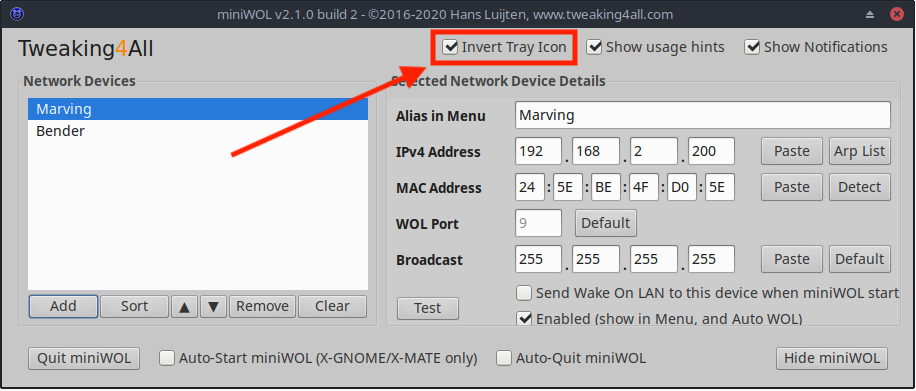
Exploring wake on lan software mac opens up a world of possibilities for remote access and energy management. This powerful tool allows users to turn on their Mac devices over the network, making it easier than ever to access files and applications without being physically present.
As technology continues to evolve, the importance of efficient remote operations cannot be overstated. Wake on LAN not only enhances productivity but also provides a convenient solution for users who are frequently on the move or managing multiple devices from afar.
In today’s fast-paced world, the concept of mindfulness has gained significant attention. With the constant barrage of information and the pressure to stay connected, many individuals find themselves overwhelmed and disconnected from their inner selves. This article delves into the art of mindfulness, exploring its origins, benefits, and practical applications in daily life.
What is Mindfulness?
Mindfulness is the practice of being present in the moment, fully engaging with our current experiences without judgment. It draws from ancient Buddhist traditions but has been adapted for modern living. At its core, mindfulness is about cultivating awareness of our thoughts, feelings, and surroundings. This practice allows individuals to observe their mental patterns and emotional responses, fostering a deeper understanding of oneself.
The Origins of Mindfulness
The roots of mindfulness can be traced back to ancient Buddhist teachings, particularly the concept of “sati,” which translates to “awareness” or “remembering.” Over the years, mindfulness has transcended its religious origins, becoming a secular practice embraced by diverse cultures worldwide. In the 1970s, Dr. Jon Kabat-Zinn played a pivotal role in introducing mindfulness to the Western world through his Mindfulness-Based Stress Reduction (MBSR) program.
Benefits of Practicing Mindfulness
The benefits of mindfulness are well-documented, ranging from improved mental health to enhanced physical well-being. Here are some notable advantages:
- Reduced Stress: Mindfulness helps individuals manage stress by promoting relaxation and reducing the body’s stress response.
- Improved Focus: Regular mindfulness practice enhances concentration and attention span, making it easier to engage in tasks at hand.
- Emotional Regulation: Mindfulness cultivates emotional awareness, allowing individuals to respond to their feelings more skillfully rather than react impulsively.
- Enhanced Relationships: By fostering empathy and active listening, mindfulness improves communication and strengthens interpersonal connections.
- Better Physical Health: Studies have shown that mindfulness can lower blood pressure, improve sleep quality, and even boost the immune system.
How to Practice Mindfulness
Incorporating mindfulness into your daily routine doesn’t require extensive training or special equipment. Here are some practical steps to get started:
1. Mindful Breathing
Begin by focusing on your breath. Find a quiet space, sit comfortably, and close your eyes. Inhale deeply through your nose, hold for a moment, and exhale slowly through your mouth. Repeat this process, allowing your mind to settle and your body to relax.
2. Body Scan
The body scan is a powerful technique that involves mentally scanning your body for tension or discomfort. Start at your toes and gradually move up to the crown of your head, paying attention to how each part feels. This practice helps increase body awareness and promotes relaxation.
3. Mindful Eating
Transform your meals into a mindful experience by savoring each bite. Slow down and pay attention to the flavors, textures, and aromas of your food. This practice not only enhances your enjoyment of food but also promotes healthier eating habits.
4. Nature Walks
Take a leisurely walk in nature, focusing on your surroundings. Notice the colors, sounds, and scents of the environment. Allow yourself to fully immerse in the experience, letting go of distractions and worries.
5. Daily Reflection
Set aside a few minutes each day for reflection. Consider journaling your thoughts or simply sitting quietly with your feelings. This practice fosters self-awareness and helps process daily experiences.
Mindfulness in Challenging Situations
Life can present various challenges that test our ability to remain mindful. In stressful situations, it’s crucial to remember the tools of mindfulness. When faced with difficulties, take a moment to breathe, acknowledge your feelings, and approach the situation with a clear mind. This practice cultivates resilience and enables better problem-solving.
Integrating Mindfulness into Everyday Life
Mindfulness is not limited to formal practice; it can be woven into the fabric of everyday life. Here are a few ways to integrate mindfulness into your daily routine:
- Mindful Commute: Use your commute as an opportunity for mindfulness. Whether driving, biking, or taking public transport, focus on the experience of the journey instead of the destination.
- Mindful Technology Use: Set boundaries around technology usage. Take breaks from screens and engage in activities that promote mindfulness, such as reading or spending time with loved ones.
- Mindful Conversations: Practice active listening during conversations. Instead of planning your response while the other person is speaking, fully engage with their words and emotions.
Conclusion
Embracing mindfulness is a transformative journey that offers numerous benefits for both mental and physical well-being. By cultivating awareness and presence in our daily lives, we can navigate the complexities of modern existence with grace and resilience. Whether through breathing exercises, mindful eating, or nature walks, the practice of mindfulness empowers us to find balance and serenity amidst the chaos.
So, take a moment, breathe deeply, and embark on your journey towards inner peace.
Commonly Asked Questions
What is Wake on LAN?
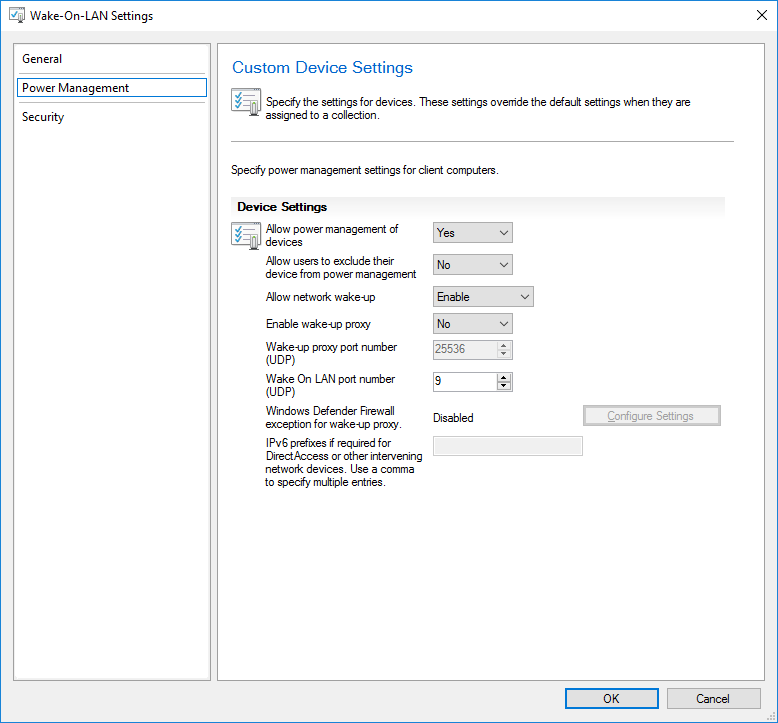
Wake on LAN (WoL) is a networking standard that allows a computer to be turned on or awakened from a low power state remotely.
How do I enable Wake on LAN on my Mac?
You can enable Wake on LAN by going to System Preferences, selecting Energy Saver, and checking the option “Wake for network access.”
Can Wake on LAN work over the internet?

Yes, Wake on LAN can work over the internet, but it requires configuring your router to forward the appropriate ports.
Are there any specific apps for Wake on LAN on Mac?
Yes, there are several apps available for Mac, such as ‘WakeOnLan’ and ‘Fing,’ which simplify the process of waking devices on your network.
Is Wake on LAN secure?
While Wake on LAN can be secure, it is essential to configure your network properly and use secure passwords to prevent unauthorized access.