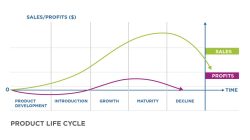
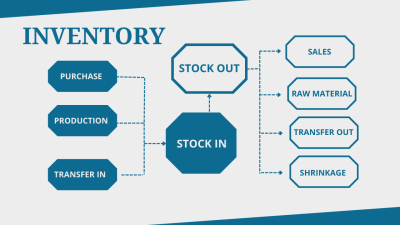
Garment management software is revolutionizing the fashion industry, simplifying processes from design to distribution. This innovative technology enables businesses to manage their inventory, production, and sales with remarkable efficiency, ensuring that they stay competitive in a fast-paced market. With its roots in traditional garment management practices, it has evolved significantly, incorporating cutting-edge technology to meet the demands of modern consumers and businesses alike.
By leveraging garment management software, companies can not only track their products in real-time but also forecast trends and manage resources more effectively. This holistic approach to garment management allows businesses to adapt swiftly to changes, enhance productivity, and ultimately improve profitability.

In recent years, the concept of remote work has transcended from being a niche practice to a mainstream approach embraced by countless organizations worldwide. The COVID-19 pandemic acted as a catalyst, compelling employers to adapt quickly to this new working paradigm. As we navigate the post-pandemic landscape, it’s essential to explore the pros and cons of remote work, alongside emerging trends that are shaping its future.
The Benefits of Remote Work
One of the most significant advantages of remote work is flexibility. Employees can often choose their own hours and work environments, which can lead to increased job satisfaction and productivity. This flexibility enables individuals to manage their work-life commitments more effectively. For instance, parents can schedule their work around their children’s needs, while others may find that working in a preferred environment boosts their focus and creativity.
Additionally, remote work can lead to cost savings for both employees and employers. Employees save on commuting costs and time, while companies can reduce overhead expenses related to office space and utilities. In a world where economic considerations are paramount, these savings can be a game-changer, allowing companies to allocate resources more efficiently.
Moreover, remote work opens up a broader talent pool for employers. Geographical limitations are significantly reduced, enabling companies to hire the best candidates regardless of their location. This diversity can lead to innovative ideas and perspectives, fostering an inclusive workplace culture that thrives on varied experiences.
Challenges of Remote Work
Despite the many advantages, remote work is not without its challenges. One of the most pressing issues is the potential for isolation. Employees who work from home may feel disconnected from their colleagues, leading to feelings of loneliness and decreased morale. This isolation can hinder collaboration and creativity, as spontaneous conversations and brainstorming sessions often occur in an office setting.
Communication can also become a significant hurdle. Remote teams rely heavily on digital communication tools, but misunderstandings can arise due to the lack of non-verbal cues. The absence of face-to-face interactions can lead to misinterpretations and frustration among team members. Employers need to invest in effective communication strategies to ensure that remote teams stay aligned and engaged.
Furthermore, remote work can blur the boundaries between personal and professional life. Employees may find it challenging to “switch off” after a long workday, leading to burnout. It’s crucial for both employees and employers to establish clear boundaries and encourage self-care practices to maintain a healthy work-life balance.
Future Trends in Remote Work
As remote work continues to evolve, several trends are emerging that could shape its future. One notable trend is the hybrid work model, which combines remote and in-office work. This approach offers the best of both worlds, allowing employees to enjoy the flexibility of remote work while also benefiting from in-person collaboration. Companies adopting a hybrid model are likely to see improved employee satisfaction and retention rates.
Another trend is the increasing reliance on technology. As remote work becomes more prevalent, businesses are investing in advanced tools and platforms that facilitate collaboration, communication, and productivity. From project management software to virtual reality meeting spaces, technology is playing a pivotal role in ensuring remote teams can work efficiently.
Additionally, there is a growing emphasis on employee well-being. Organizations are recognizing the importance of mental health and work-life balance, leading to initiatives that support employees’ overall well-being. This includes offering flexible schedules, mental health days, and resources for stress management, all of which are essential in fostering a resilient workforce.
Conclusion
The rise of remote work presents both opportunities and challenges that organizations must navigate thoughtfully. While the benefits of flexibility, cost savings, and access to a diverse talent pool are undeniable, addressing issues like isolation, communication barriers, and work-life balance is crucial for long-term success. As we look to the future, embracing hybrid models, investing in technology, and prioritizing employee well-being will be key strategies for organizations aiming to thrive in this evolving landscape.
FAQ Guide
What is garment management software?
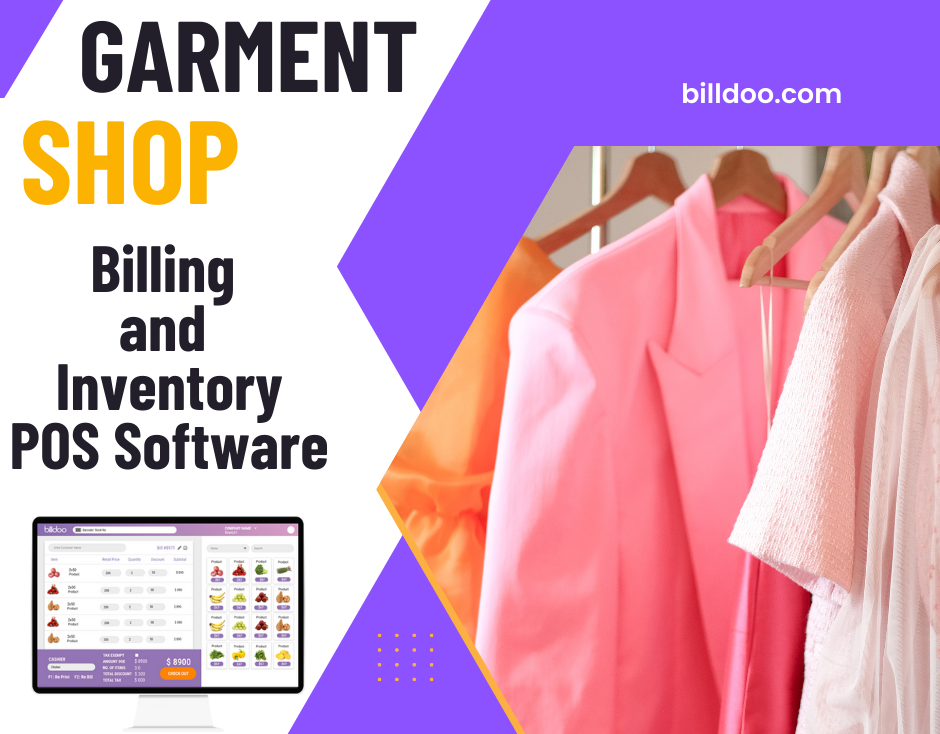
Garment management software is a tool designed to help businesses in the fashion industry manage their production processes, inventory, and sales efficiently.
How can garment management software improve productivity?
It automates various tasks, provides real-time data, and streamlines communication, allowing teams to work more efficiently.
Is garment management software suitable for small businesses?
Yes, many garment management software solutions cater to small businesses, offering scalable options that grow with the company.
What features should I look for in garment management software?
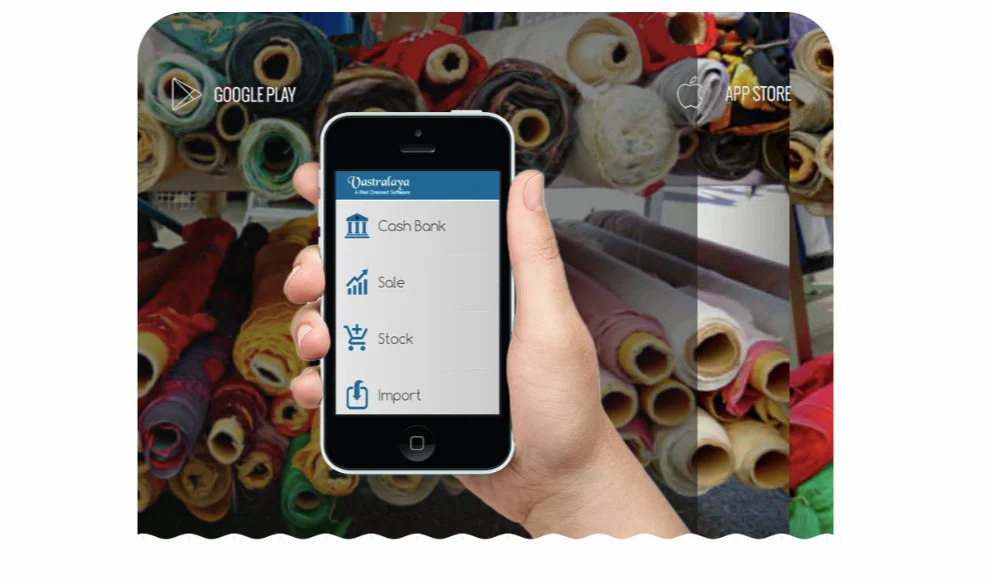
Look for features like inventory tracking, order management, reporting capabilities, and integration with other systems.
How does garment management software help in trend forecasting?
It analyzes sales data and customer preferences to identify patterns, helping businesses predict future trends more accurately.