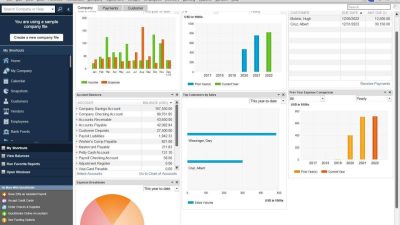
Kicking off with mitchell estimating software price, this discussion unravels the complexities and nuances of estimating software pricing that many businesses face today. As industries increasingly rely on accurate estimates for budgeting and resource allocation, understanding the pricing structures of Mitchell estimating software becomes paramount for decision-makers.
This software offers a unique set of features tailored for various sectors, making the pricing structure not just a number but a reflection of its value. By delving into factors influencing costs, potential return on investment, and available packages, we hope to provide a clearer picture for those considering this software for their operations.
Technology has been a driving force in the evolution of human civilization. From the earliest tools made from stone to the digital age of the 21st century, the history of technology is a fascinating story of innovation, adaptation, and progress. In this article, we will explore the major milestones in the evolution of technology and how they have shaped our lives.
The Dawn of Technology
The story of technology begins with the Stone Age, when our ancestors created the first tools. These primitive implements, such as hand axes and chisels, were crafted from stones and were essential for hunting and gathering. The invention of tools marked the beginning of a significant shift in human behavior, enabling our ancestors to manipulate their environment more effectively.

The Agricultural Revolution
Fast forward to around 10,000 BCE, when the Agricultural Revolution transformed human societies. The domestication of plants and animals led to the establishment of permanent settlements and the rise of agriculture. This shift required new technologies, including plows, irrigation systems, and storage solutions to manage surplus crops. The Agricultural Revolution laid the foundation for complex societies and advanced civilizations.
The Industrial Revolution
The next major leap in technology came during the Industrial Revolution in the late 18th and early 19th centuries. This era was marked by the transition from hand production methods to machines and the factory system. Innovations such as the steam engine, spinning jenny, and power loom revolutionized manufacturing processes. The Industrial Revolution not only increased productivity but also transformed social structures, leading to urbanization and changes in labor dynamics.
The Age of Electricity
As we moved into the late 19th and early 20th centuries, the age of electricity began to take shape. The invention of the electric light bulb, telephone, and radio fundamentally changed how people communicated and interacted. The ability to transmit information over long distances in real-time opened up new avenues for business, entertainment, and socialization. This era also saw the rise of household appliances, which made daily life more convenient.
The Information Age
With the advent of computers in the mid-20th century, we entered the Information Age. Early computers were large, expensive, and primarily used by governments and universities for research. However, advancements in technology led to the development of personal computers, making computing accessible to the general public. The introduction of the internet in the 1990s further revolutionized communication and information sharing, creating a connected world.
The Digital Revolution
The Digital Revolution has brought about significant changes in how we live, work, and interact. The proliferation of smartphones, social media, and cloud computing has created a digital landscape where information is readily available at our fingertips. We now live in a world dominated by data, where artificial intelligence and machine learning are beginning to shape the future of industries.
Challenges and Concerns
While the evolution of technology has brought numerous benefits, it has also raised significant challenges and concerns. Issues such as data privacy, cybersecurity, and the digital divide highlight the complexities of our reliance on technology. As we embrace advancements in artificial intelligence and automation, there are valid concerns regarding job displacement and ethical considerations.
The Future of Technology
Looking ahead, the future of technology is filled with possibilities. Innovations such as quantum computing, biotechnology, and renewable energy hold the potential to solve some of the most pressing challenges facing humanity. As we stand on the brink of new technological frontiers, it is essential to navigate these advancements responsibly and ensure they benefit society as a whole.
Conclusion
The evolution of technology is a testament to human ingenuity and resilience. From the early days of tool-making to the digital age, technology has continuously shaped our world and our lives. As we continue to innovate and adapt, it is crucial to reflect on the lessons of the past and strive for a future where technology serves humanity’s best interests.
Embracing change while addressing the accompanying challenges will be key to harnessing the full potential of technology.
FAQ Corner
What factors influence the price of Mitchell estimating software?
The price is influenced by features, user licenses, and additional services like support and training.
Are there different pricing tiers for Mitchell estimating software?
Yes, pricing typically varies based on the number of users and the level of features included.
Can I get a trial version of Mitchell estimating software?

Many providers offer trial versions or demos to help potential customers evaluate the software’s suitability.
Is there ongoing support included in the software price?
Support options vary by package; some include ongoing support while others may charge separately.
How does Mitchell estimating software compare to competitors in terms of price?
Pricing is competitive, but the choice often depends on specific features and usability that fit your business needs.