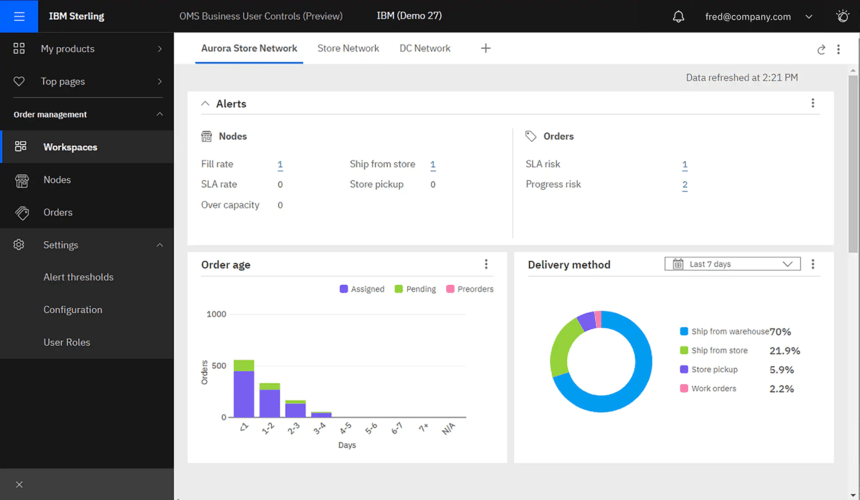
Beginning with orders management software, the narrative unfolds in a compelling and distinctive manner, drawing readers into a story that promises to be both engaging and uniquely memorable. In today’s fast-paced business environment, effective order management is crucial for success, enabling companies to handle customer demands, track inventory, and streamline operations efficiently.
Orders management software serves as a vital tool that simplifies these processes, ensuring that businesses can meet customer expectations while maximizing productivity. By automating key tasks and providing real-time insights, this software transforms how organizations manage their orders from initiation to fulfillment.
In our fast-paced, technology-driven world, the concept of mindfulness has emerged as a beacon of hope for those seeking to find balance and peace amidst the chaos. Mindfulness, at its core, is the practice of being fully present and engaged in the current moment, without judgment or distraction. This article delves into the art of mindfulness, exploring its origins, benefits, and practical applications in our daily lives.
What is Mindfulness?
Mindfulness is derived from ancient meditation practices, particularly those found in Buddhism. However, it has transcended its spiritual roots to become a widely adopted practice in various cultures and disciplines, including psychology and wellness. Essentially, mindfulness involves paying attention to our thoughts, feelings, and physical sensations in a deliberate and non-reactive way. By cultivating this awareness, we can develop a deeper understanding of ourselves and our interactions with the world around us.
The Benefits of Mindfulness
Practicing mindfulness offers a plethora of benefits that can significantly enhance our quality of life. Here are some of the key advantages:

- Reduced Stress: Mindfulness helps to lower stress levels by encouraging individuals to focus on the present rather than worrying about the past or future.
- Improved Focus: Regular mindfulness practice can enhance concentration and attention, making it easier to stay focused on tasks.
- Emotional Regulation: By fostering awareness of our emotions, mindfulness can aid in better emotional control and resilience.
- Enhanced Relationships: Being present during interactions can lead to deeper connections and improved communication with others.
- Increased Happiness: Mindfulness promotes a greater appreciation for life’s simple pleasures, leading to increased overall happiness and well-being.
Getting Started with Mindfulness
For those new to mindfulness, getting started can feel intimidating. However, the beauty of mindfulness is that it can be practiced anywhere and at any time. Here are some simple steps to begin your mindfulness journey:
1. Start with Your Breath
One of the simplest ways to practice mindfulness is through breath awareness. Find a quiet space, sit comfortably, and take a few deep breaths. Focus your attention solely on the sensation of your breath entering and leaving your body. If your mind starts to wander, gently bring your focus back to your breath. This practice can be done for just a few minutes each day and gradually increased as you become more comfortable.
2. Practice Mindful Observation
Choose an object in your environment—a flower, a piece of fruit, or even a simple paperclip. Spend a few minutes observing it closely. Notice its colors, textures, and any details you may have previously overlooked. This practice sharpens your observational skills and encourages you to be present in the moment.

3. Engage in Mindful Eating
Mindful eating involves paying full attention to the experience of eating. Instead of rushing through meals, take time to savor each bite. Notice the flavors, textures, and aromas of your food. This practice not only enhances your enjoyment of meals but also promotes healthier eating habits.
4. Incorporate Mindfulness into Daily Activities
Mindfulness can be woven into everyday activities such as walking, washing dishes, or even showering. Focus on the sensations involved in these tasks—the feeling of water on your skin, the sound of your footsteps, or the aroma of soap. By bringing mindfulness into your daily routine, you can transform mundane tasks into opportunities for present-moment awareness.
Challenges in Mindfulness Practice
While the benefits of mindfulness are numerous, it is not without its challenges. Many individuals may experience difficulty maintaining focus or may feel frustrated when their minds wander. It’s important to remember that mindfulness is a practice, and it’s natural for the mind to drift. The key is to approach these moments with kindness and patience, recognizing that the act of returning your focus is itself a part of the practice.
Mindfulness in the Modern World
In today’s digital age, the constant influx of information and distractions can make mindfulness feel elusive. However, technology can also serve as a tool to enhance mindfulness practice. Various apps and online resources offer guided meditations, mindfulness exercises, and reminders to take a moment for yourself throughout the day. By integrating these tools into your routine, you can create a supportive environment for your mindfulness journey.
Conclusion
In conclusion, the art of mindfulness is a powerful practice that can enrich our lives in countless ways. By embracing the present moment, we can cultivate greater awareness, reduce stress, and foster deeper connections with ourselves and those around us. Whether you’re a seasoned practitioner or just beginning your journey, remember that mindfulness is about progress, not perfection. Start small, be patient with yourself, and enjoy the transformative power of being present.
Question & Answer Hub
What is orders management software?
Orders management software is a digital tool that helps businesses track and manage customer orders, streamline processing, and optimize fulfillment.
How can orders management software benefit my business?
This software increases efficiency, reduces errors, enhances customer satisfaction, and provides valuable insights into order trends.
Is orders management software easy to use?
Most orders management software is designed with user-friendliness in mind, offering intuitive interfaces and comprehensive support for users.
Can I integrate orders management software with other tools?
Yes, many orders management solutions offer integration capabilities with other software, such as CRM systems and accounting tools, for a seamless workflow.
Is there a need for technical skills to use orders management software?
While basic technical skills are helpful, most orders management software is designed for users of all levels, often featuring tutorials and customer support.