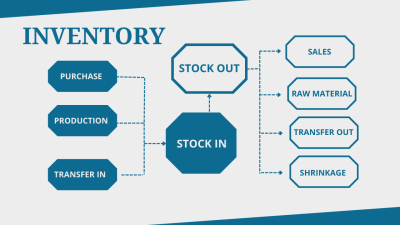
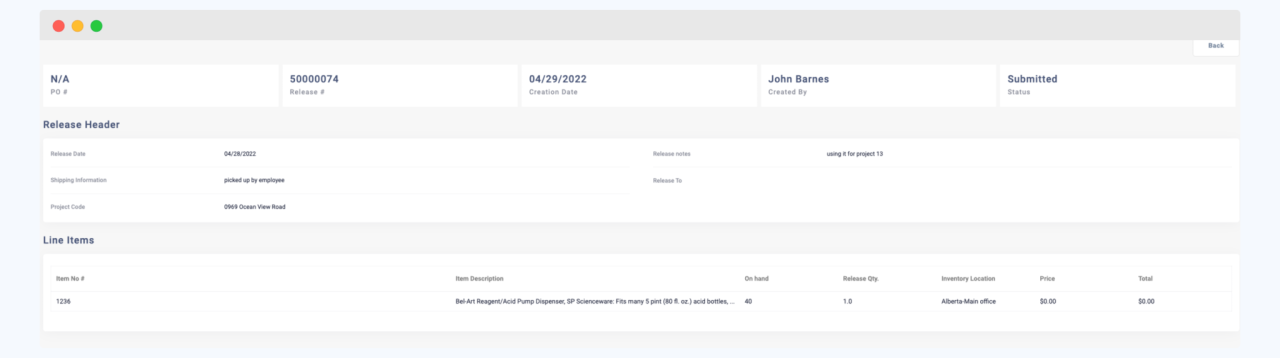
Purchasing and inventory management software is revolutionizing how businesses manage their resources and operations. This technology not only streamlines processes but also enhances accuracy and efficiency in inventory tracking, ordering, and purchasing decisions. In an increasingly competitive market, these solutions are becoming indispensable for companies aiming to optimize their supply chains and maintain a competitive edge.
As businesses evolve and market demands shift, understanding the importance of effective purchasing and inventory management software is vital. This software can help organizations manage stock levels, forecast demand, and automate purchasing processes, ensuring that they are always prepared to meet customer needs while minimizing waste and costs.
In today’s fast-paced world, where information is available at the click of a button, the importance of effective communication cannot be overstated. Whether in a personal or professional context, the ability to convey thoughts, ideas, and emotions clearly and concisely is a skill that can set individuals apart. This article delves into the nuances of communication, exploring its various forms, the impact it has on relationships, and ways to enhance this vital skill.
Understanding CommunicationAt its core, communication is the process of exchanging information between individuals through a shared system of symbols, signs, or behavior. It encompasses a myriad of forms, including verbal, non-verbal, written, and visual communication. Each form plays a crucial role in how we interact with one another and can significantly affect the outcomes of our exchanges. Verbal CommunicationVerbal communication is the most common form of interaction, involving spoken words and dialogue.
This form is not just about the words used but also about the tone, pitch, and speed of speech. For instance, a friendly tone can make a simple greeting feel warm and inviting, while a harsh tone can lead to misunderstandings or conflict. Mastering verbal communication involves not only articulating thoughts clearly but also being aware of the message being conveyed through one’s tone and inflection.
Non-Verbal CommunicationInterestingly, much of our communication happens non-verbally. Body language, facial expressions, eye contact, and even gestures all contribute to how our messages are perceived. Research suggests that a significant percentage of communication effectiveness is determined by non-verbal cues. For example, maintaining eye contact can convey confidence and honesty, while crossed arms may suggest defensiveness or disinterest. To enhance non-verbal communication skills, individuals should cultivate mindfulness about their body language and how it aligns with their verbal messages.
Written CommunicationIn an era dominated by digital communication, written skills have become increasingly essential. Emails, texts, and reports are just a few examples of how we use writing to communicate in our daily lives. Effective written communication requires clarity, coherence, and attention to detail. It’s important to tailor the message to the audience, ensuring that the language and tone are appropriate for the context.
Proofreading is also crucial; grammatical errors can undermine the credibility of the message being conveyed. Visual CommunicationVisual elements such as graphs, charts, and images add another layer to communication, especially in presentations and reports. They can help illustrate complex ideas and make information more digestible. For instance, incorporating visuals in a business presentation can enhance understanding and retention of information among the audience.
As such, learning to effectively integrate visual aids can significantly improve communication outcomes. The Role of Listening in CommunicationWhile speaking and writing are often emphasized, listening is equally important in the communication process. Active listening involves fully concentrating, understanding, responding, and remembering what is being said. It fosters an environment of respect and trust, as individuals feel heard and valued. Practicing active listening can lead to more meaningful conversations and stronger relationships, both personally and professionally.
Barriers to Effective CommunicationDespite the best intentions, several barriers can hinder effective communication. These include language differences, cultural misunderstandings, emotional barriers, and environmental factors, such as noise or distractions. Recognizing and addressing these barriers is crucial for improving communication. For instance, when communicating with someone from a different cultural background, it’s important to be aware of cultural norms and practices that may influence their understanding of the message.
Enhancing Communication SkillsImproving communication skills is a continuous endeavor that can greatly benefit both personal and professional interactions. Here are some practical tips to enhance these skills:
1. Practice Active Listening
Focus on what the other person is saying without planning your response while they’re talking. This not only shows respect but also ensures that you understand the message correctly.
2. Be Clear and Concise
When speaking or writing, strive for clarity. Use simple language and avoid jargon unless you’re sure the audience understands it.
3. Pay Attention to Non-Verbal Cues
Be mindful of your body language and facial expressions, as they can significantly impact how your message is received.
4. Seek Feedback
Request feedback from others about your communication style. This can provide valuable insights into areas for improvement.
5. Learn About Different Communication Styles
Understanding that people communicate differently can help you adapt your approach. Some individuals prefer straightforward communication, while others may value a more relational approach.
6. Stay Open-Minded
Be willing to consider other perspectives and ideas, which can foster better understanding and cooperation in conversations. Practice, Practice, Practice: Like any skill, communication improves with practice. Engage in conversations, participate in public speaking events, or take writing courses to hone your abilities. The Impact of Technology on CommunicationTechnology has undoubtedly transformed the landscape of communication. While it offers numerous advantages, such as instant messaging and video calls, it also presents challenges.
The reliance on digital communication can lead to misinterpretations, as non-verbal cues are often lost in text. Furthermore, the constant barrage of notifications can detract from meaningful interactions. Striking a balance between digital and face-to-face communication is essential for maintaining healthy relationships. ConclusionIn conclusion, effective communication is a multifaceted skill that requires attention and practice. By understanding the different forms of communication, enhancing listening skills, and being mindful of barriers, individuals can significantly improve their ability to connect with others.
As we navigate an increasingly complex world, the power of communication remains a critical tool for fostering understanding, building relationships, and achieving success. Embracing the art of communication not only enhances personal interactions but also opens doors to new opportunities in our professional lives. So, let’s make an effort to communicate better, one conversation at a time.
Detailed FAQs
What features should I look for in purchasing software?
You should look for features like inventory tracking, order management, reporting and analytics, integration capabilities, and user-friendly interfaces.
How can inventory management software reduce costs?
It reduces costs by optimizing stock levels, minimizing overstock and stockouts, and automating processes that save time and labor expenses.
Is it necessary to train staff on new software?

Yes, training is essential to ensure that staff can maximize the software’s capabilities and use it efficiently in their daily operations.
Can purchasing and inventory management software integrate with other systems?
Most modern software solutions offer integration with various ERP, CRM, and accounting systems, enhancing data flow and interoperability.
What is the typical return on investment for such software?
The ROI varies by business size and sector, but many companies see significant improvements in efficiency and cost savings within the first year of implementation.