Customer order management software is an essential tool for businesses looking to enhance their operational efficiency and customer satisfaction. By automating the order processing workflow, companies can reduce errors and streamline communication, ensuring a smooth transaction experience.
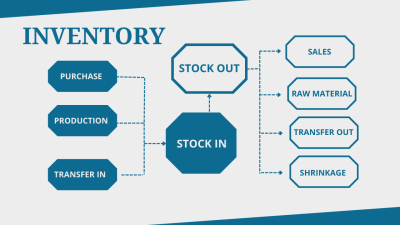
This software not only helps in managing orders but also provides valuable insights into customer preferences and inventory management, enabling businesses to make informed decisions. As competition rises in various industries, leveraging such software becomes not just an option but a necessity for sustainable growth.
In our fast-paced world, where distractions are abundant and the hustle never seems to cease, the concept of mindful living has gained significant traction. It’s more than a trend; it’s a lifestyle choice that many are adopting to cultivate peace and presence in their daily lives. This article delves into the essence of mindful living, exploring its principles, benefits, and practical tips to incorporate mindfulness into your routine.
Understanding Mindfulness
At its core, mindfulness is the practice of being fully present in the moment, aware of your thoughts, feelings, and environment without judgment. It encourages a heightened level of awareness and a deeper connection with oneself and others. This practice originates from ancient Buddhist teachings but has transcended cultural boundaries and has been embraced globally for its beneficial effects on mental health and overall well-being.
The Benefits of Mindful Living
Engaging in mindful living offers a plethora of benefits, both psychological and physical. Some of the notable advantages include:

- Stress Reduction: Mindfulness helps to lower levels of stress by promoting relaxation and a sense of calm. Studies indicate that regular mindfulness practice can significantly decrease stress-related symptoms.
- Improved Focus and Concentration: By training the mind to stay present, individuals often find their attention spans lengthening, enabling them to concentrate better on tasks at hand.
- Enhanced Emotional Regulation: Mindfulness encourages awareness of one’s emotions, leading to better management of feelings and reactions.
- Greater Self-Awareness: This practice fosters a deeper understanding of oneself, encouraging personal growth and self-acceptance.
- Better Relationships: Mindful living can improve communication and empathy, leading to healthier and more fulfilling relationships.
Practical Tips for Incorporating Mindfulness into Daily Life
Now that we understand the importance and benefits of mindfulness, let’s explore practical ways to incorporate this practice into our everyday lives:
1. Start Your Day with Intention
Begin your day by taking a few moments for yourself. Upon waking, take deep breaths and set an intention for your day. This could be a simple affirmation or a reminder to stay present and mindful throughout your tasks.
2. Practice Mindful Eating
Eating is often done mindlessly, with distractions such as phones or television. Challenge yourself to eat one meal a day without any distractions. Focus on the taste, texture, and aroma of your food. This not only enhances your appreciation for what you consume but also promotes healthier eating habits.
3. Incorporate Mindfulness into Your Routine
Identify daily activities that you can practice mindfulness with, such as showering, walking, or even doing household chores. Pay close attention to the sensations involved in these activities, allowing yourself to fully engage with the experience.
4. Establish a Meditation Practice
Setting aside a few minutes each day for meditation can greatly enhance your mindfulness practice. Start with guided meditations available through various apps or online platforms. Gradually increase the duration as you become more comfortable with the practice.
5. Limit Multitasking
While multitasking may seem efficient, it often leads to decreased productivity and increased stress. Focus on one task at a time, giving it your full attention before moving on to the next. This practice promotes a greater sense of accomplishment and satisfaction.
6. End Your Day Reflectively
Before going to bed, take a moment to reflect on your day. What moments were you mindful? What could you improve upon? Journaling these reflections can help reinforce your mindfulness practice and highlight your progress.
Challenges in Practicing Mindfulness
While the benefits of mindful living are numerous, it’s essential to acknowledge that challenges may arise. Resistance to change, distractions, and impatience can hinder the journey towards mindfulness. It is crucial to approach these hurdles with compassion and understanding. Remember that mindfulness is a practice, not a perfection. Progress may be slow, but consistency is key.
Conclusion
In conclusion, mindful living is a powerful tool that can transform your life, fostering a sense of peace, presence, and connection. By integrating mindfulness into your daily routine, you may discover a more fulfilling and enriched experience. Start small, be patient with yourself, and embrace the journey toward a more mindful existence. The art of mindful living awaits you, ready to unfold a world of tranquility and clarity.

Top FAQs
What is customer order management software?
It is a software solution designed to manage the entire order fulfillment process, from order placement to delivery.
Why is customer order management important?
It helps streamline operations, reduces errors, and improves customer satisfaction by ensuring timely and accurate order processing.
Can customer order management software integrate with other systems?
Yes, many solutions offer integration capabilities with CRM, inventory, and accounting systems for seamless data flow.
Is training required to use customer order management software?
While many systems are user-friendly, some training may be beneficial to maximize the software’s potential.
What are the typical features of customer order management software?
Common features include order tracking, inventory management, customer communication tools, and analytics dashboards.