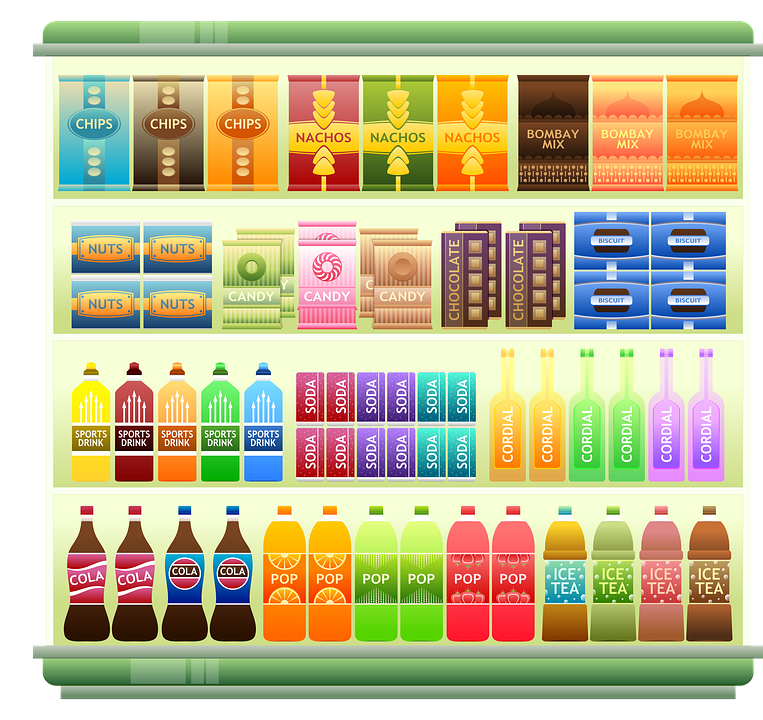
Supermarket point of sale software is an essential tool that revolutionizes the way businesses handle transactions and manage inventory. This software not only streamlines the checkout process but also enhances customer experience by offering faster service and improved accuracy. With the rise of digital commerce, understanding the functionality and benefits of such systems is crucial for any retail establishment aiming to thrive in a competitive market.
This article delves into the myriad features of supermarket point of sale software, highlighting its significance in operational efficiency, customer relationship management, and real-time analytics. From tracking sales data to simplifying payment methods, the advantages of implementing such systems are vast and impactful.
In today’s fast-paced world, maintaining a healthy work-life balance has become increasingly challenging. With the rise of digital communication, the lines between personal and professional life can easily blur. However, achieving a balance between work responsibilities and personal time is crucial for mental and physical well-being.
The Concept of Work-Life Balance
Work-life balance refers to the equitable allocation of time and energy between work commitments and personal life. It is about finding the right mix that allows individuals to fulfill their job responsibilities while having time to relax and engage in personal interests. This balance is not a one-size-fits-all solution; it varies from person to person based on their priorities, responsibilities, and life stages.
Why Work-Life Balance Matters
1. Improved Mental Health: Overworking can lead to stress, anxiety, and burnout. Establishing a work-life balance helps to mitigate these issues by allowing individuals to recharge and engage in activities that promote mental well-being.
2. Increased Productivity: When employees take regular breaks and have time to relax, they often return to work more focused and productive. A balanced approach encourages better performance and creativity.
3. Stronger Relationships: Spending quality time with family and friends is essential for maintaining personal relationships. A healthy work-life balance allows individuals to nurture these connections, which can lead to a more fulfilling life.
4. Enhanced Physical Health: Work stress can contribute to various health problems, including heart disease and obesity. Prioritizing personal time can lead to healthier lifestyle choices, such as exercising and cooking nutritious meals.
5. Job Satisfaction: Employees who feel they have a balanced life are generally happier and more satisfied with their jobs. This satisfaction can reduce turnover rates and increase loyalty to the company.
Strategies for Achieving Work-Life Balance
1. Set Boundaries: Establish clear boundaries between work and personal time. Communicate these boundaries with colleagues and supervisors to ensure respect for your personal time.
2. Prioritize Tasks: Use tools like to-do lists or project management software to prioritize tasks. Focus on completing high-priority tasks first, which can help in managing time effectively.
3. Learn to Say No: While it’s essential to be a team player, taking on too many responsibilities can lead to stress. Know your limits and don’t hesitate to decline additional tasks that may overwhelm you.
4. Utilize Technology Wisely: Leverage technology to enhance productivity, but also know when to disconnect. Setting specific times to check emails or messages can help maintain boundaries.
5. Incorporate Flexibility: If possible, negotiate flexible working hours or remote work options. Flexibility can significantly enhance your ability to balance work and personal life.
Conclusion
In conclusion, achieving a work-life balance is essential for overall well-being and satisfaction in both professional and personal realms. It requires conscious effort, effective time management, and the willingness to set boundaries. By implementing strategies to create a healthier balance between work and life, individuals can enhance their productivity, improve their mental and physical health, and enjoy a more fulfilling life.

Key Questions Answered
What is supermarket point of sale software?
It is software designed to manage sales transactions and inventory in supermarkets, facilitating efficient checkout and stock management.
How does it improve customer experience?
By speeding up the checkout process and reducing errors, it allows for a smoother and more satisfying shopping experience.
Can it integrate with other systems?
Yes, many supermarket point of sale software solutions can integrate with accounting, inventory management, and customer relationship management systems.
Is training required to use it?
While many systems are user-friendly, training is often beneficial to ensure staff can utilize all features effectively.
What are the key features to look for?
Key features include inventory tracking, customer management, reporting tools, and various payment processing options.